
Climate-Controlled Storage in Athens TX: Is It Worth the Extra Cost?
Climate-Controlled Storage in Athens TX: Is It Worth the Extra Cost?
Habib Ahsan
March 13th, 2026
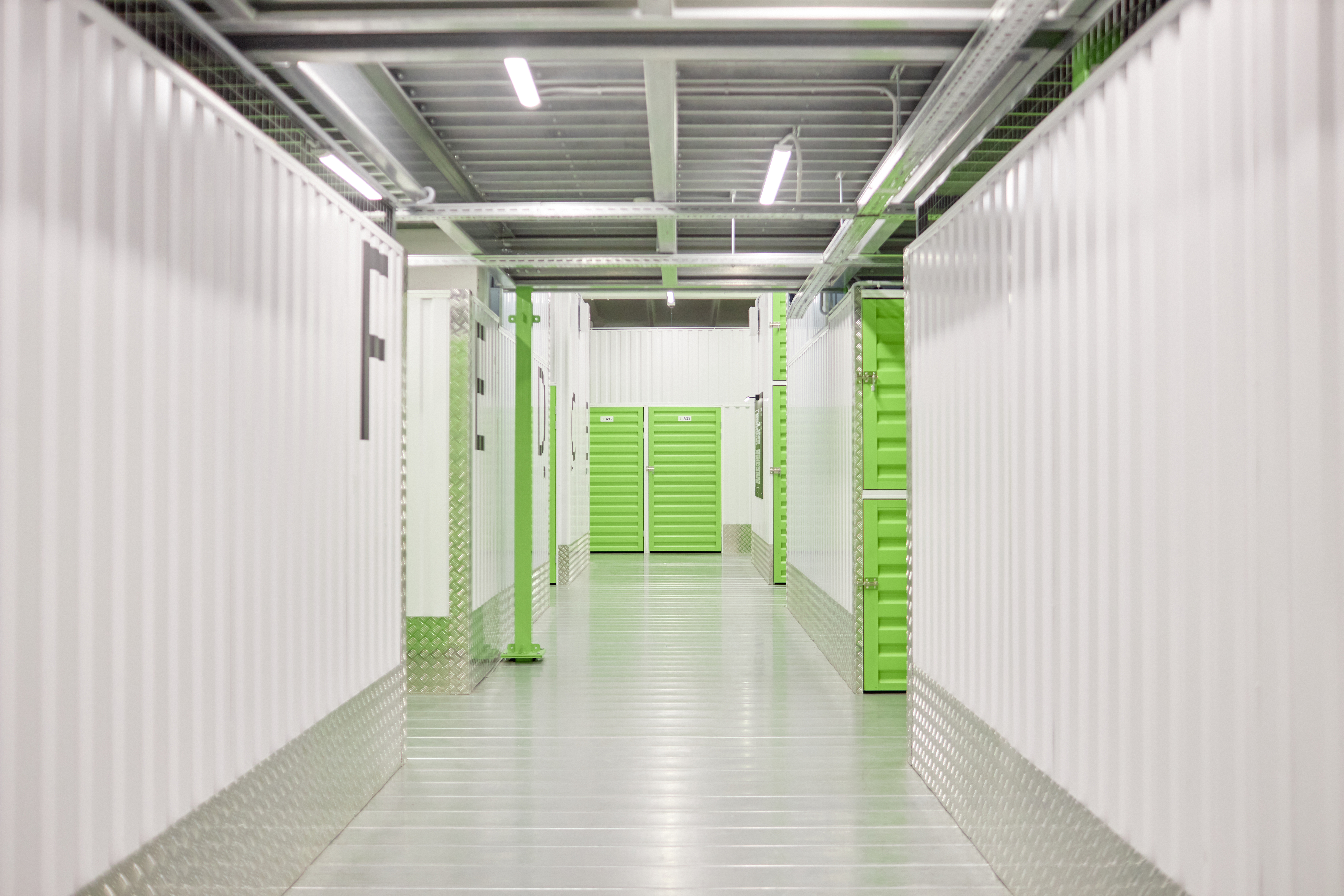
When renting a storage unit in Athens, TX, one of the most common questions is whether climate-controlled storage is worth the extra cost. Standard storage units work well for many items, but some belongings need more protection from heat and humidity. Understanding when climate control matters can help you protect valuable items while avoiding unnecessary expenses. This guide explains how climate-controlled storage works, what it costs, and when it makes sense.
What Climate-Controlled Storage Means
Climate-controlled storage units are designed to maintain more stable indoor conditions than standard storage spaces. These units typically provide:
- Consistent temperature ranges
- Reduced humidity levels
- Indoor environments protected from outdoor weather
Unlike outdoor-access units, climate-controlled units are usually located inside insulated buildings. This helps protect belongings from temperature swings, moisture buildup, and excessive heat. The goal is simple: create a stable environment that helps prevent damage over time.
Why Climate Matters in Athens, Texas
Climate conditions in East Texas play a big role in storage decisions. Athens experiences:
- Hot summers that often exceed 90°F
- High humidity throughout much of the year
- Seasonal temperature swings
These environmental factors can affect certain materials when they remain stored for long periods. Heat and moisture can cause:
- Wood furniture to expand or warp
- Paper to absorb moisture and deteriorate
- Mold and mildew to grow on fabrics
- Electronics to develop corrosion or internal damage
Even well-packed items can be affected if they stay in these conditions for months.
Items That Benefit Most From Climate-Controlled Storage
Some belongings are especially sensitive to heat and humidity. These items often benefit from climate-controlled environments.
Furniture and household items
Wood and upholstered furniture are vulnerable to temperature and moisture changes. Examples include:
- Solid wood tables and dressers
- Leather sofas and chairs
- Upholstered furniture
Humidity can cause wood to warp and fabric to develop mildew if stored long-term.
Electronics and media
Electronics contain delicate components that can be damaged by extreme heat or moisture. Common examples include:
- Televisions
- Computers and monitors
- Gaming systems
- Speakers and audio equipment
Media storage items like vinyl records or external hard drives can also degrade if exposed to fluctuating temperatures.
Documents and sentimental items
Paper-based items are particularly sensitive to moisture. These include:
- Family photos and albums
- Legal documents
- Books and journals
Humidity can cause pages to curl, fade, or develop mold.
Specialty and valuable items
Certain valuable items deserve extra protection during storage. Examples include:
- Antiques
- Artwork and framed prints
- Musical instruments
- Collectibles
These items often have both financial and sentimental value, making protection especially important.
When Standard Storage Usually Works Fine
Not everything requires climate-controlled storage. Many items hold up well in standard units. Examples include:
- Metal tools and equipment
- Plastic storage containers
- Outdoor furniture
- Lawn equipment
These materials are generally more resistant to heat and humidity.
Short-term storage situations
If items will only be stored for a few weeks, climate control may not be necessary. Short-term storage often includes:
- Temporary storage during moves
- Short renovation projects
- Brief decluttering periods
In these situations, environmental exposure is limited.
Understanding the Cost Difference
Climate-controlled storage typically costs more than standard storage. In many areas, including Athens, climate-controlled units are usually 15–40% more expensive depending on size and facility features. This price difference reflects several added features:
- Insulated building construction
- Temperature regulation systems
- Reduced humidity environments
- Indoor storage conditions
While the monthly price is higher, the added protection can prevent expensive damage.
Comparing Cost to Replacement Value
When deciding between standard and climate-controlled storage, it helps to think about the value of the items you are storing. Ask yourself a few simple questions:
- Would replacing these items be expensive?
- Are they difficult to replace?
- Are they sensitive to heat or moisture?
If the replacement cost of the items is high, climate control may be worth the extra monthly expense. For example, a warped wooden dining table or damaged electronics could cost far more to replace than the small price difference between storage types.
Long-Term Storage Changes the Decision
The longer items remain in storage, the more important environmental protection becomes. For storage periods lasting:
- Several months
- A year or more
- Indefinite timelines
Climate control significantly reduces the risk of gradual damage caused by heat and humidity. Long-term storage is one of the most common reasons people choose climate-controlled units.
Additional Benefits of Climate-Controlled Units
Climate-controlled storage also offers a few practical advantages beyond temperature protection.
Cleaner indoor environment
Indoor storage buildings typically have:
- Less dust exposure
- Reduced pest activity
- Cleaner hallways and storage areas
This helps keep stored items in better condition.
Easier access to belongings
Indoor climate units often include:
- Interior hallways
- Lighting
- Protection from outdoor weather while accessing your unit
This makes visits more comfortable and convenient.
Situations Where Climate-Controlled Storage Makes Sense
Certain life situations make climate storage especially useful.
Moving between homes
When moving timelines do not align perfectly, storage may be needed for several months. Climate protection helps keep furniture and belongings in good condition during the transition.
Downsizing
Homeowners who move to smaller homes often store extra furniture or keepsakes long term. Protecting these items preserves their value.
Business storage
Businesses sometimes store inventory or documents in storage units. Items like paper records, electronics, or product inventory may require climate protection.
Tips for Getting the Most Value From Climate Storage
Even climate-controlled units benefit from proper packing.
Pack items carefully
Helpful practices include:
- Using breathable covers for furniture
- Avoiding airtight plastic bags that trap moisture
- Protecting corners and delicate surfaces
Proper packing helps maintain item condition.
Organize your unit effectively
Leave small gaps between items to allow air circulation. Stack boxes carefully and avoid packing items too tightly. Elevating boxes slightly off the floor can also provide additional protection.
Label sensitive items
Clearly marking boxes that contain fragile or valuable belongings makes it easier to access them later. It also helps ensure careful handling during move-in.
Choosing the Right Storage Facility in Athens
The quality of the storage facility matters just as much as the type of unit. When comparing options, look for facilities that provide:
- Reliable temperature regulation
- Clean indoor environments
- Good lighting and accessibility
- Strong security features
Facilities like Athens Secure Storage & Parking offer climate-controlled units designed to help protect sensitive belongings from heat and humidity while providing convenient access.
Final Thoughts: Is Climate-Controlled Storage Worth It?
For many people in Athens, TX, climate-controlled storage is a smart investment when storing valuable, sensitive, or irreplaceable items. While it usually costs a bit more than standard storage, the added protection can prevent damage caused by heat, humidity, and environmental changes.
Spring Cleaning in Athens TX: How to Declutter and Reclaim Your Home
Categories