
Malakoff Storage Systems: Lake Gear Organization Inside Drive-Up Units
Malakoff Storage Systems: Lake Gear Organization Inside Drive-Up Units
Habib Ahsan
February 20th, 2026
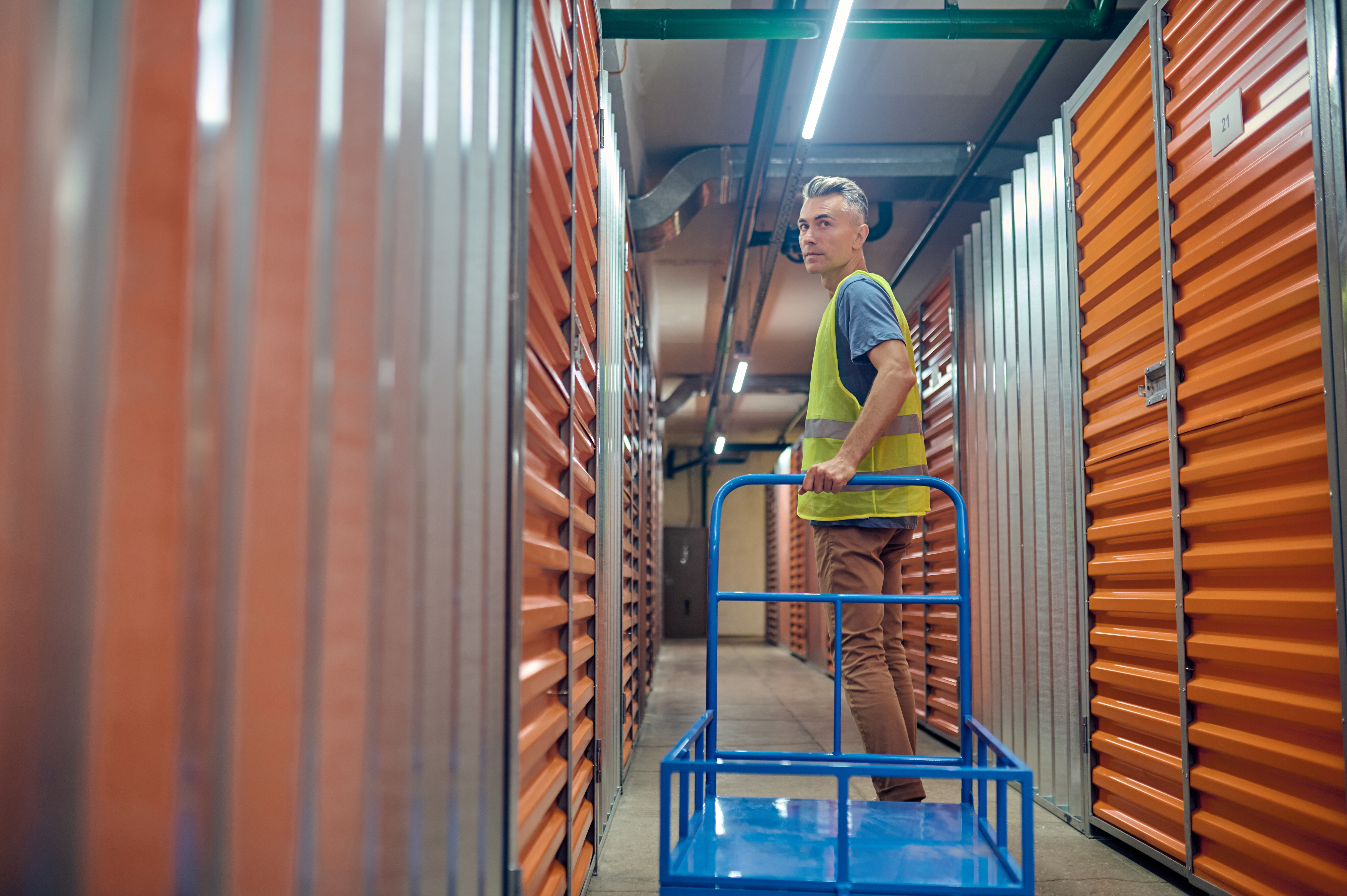
Living near the lake in Malakoff, TX means one thing — gear adds up quickly. Kayaks, life jackets, tubes, fishing rods, ropes, coolers, and cleaning supplies can easily overtake a garage. When lake gear isn’t organized properly, it becomes harder to access, harder to maintain, and more likely to get damaged. Drive-up storage units offer a practical solution. But simply moving lake gear into a unit isn’t enough. The key is creating a system that keeps equipment dry, organized, and easy to grab. This guide walks through how to organize lake gear inside a drive-up unit so it saves time and protects your investment.
Why Lake Gear Gets Out of Control
Lake equipment is different from household storage because it’s:
- Bulky and awkward to stack
- Frequently used during peak season
- Often wet when stored
- Shared between family members
Garages quickly become overcrowded when watercraft and inflatables compete with vehicles and tools. Without structure, people stack items randomly, which leads to:
- Crushed inflatables
- Bent fishing rods
- Moldy life jackets
- Wasted time searching for equipment
A drive-up unit works best when organized intentionally.
Why Drive-Up Units Work Well for Lake Gear
Drive-up storage provides vehicle-to-door access. That matters when handling:
- Heavy coolers
- Kayaks
- Paddleboards
- Large inflatable tubes
You can unload directly from your truck or trailer without navigating hallways or tight corners. Facilities like Athens Secure Storage & Parking, located near Malakoff, offer drive-up units that make loading and unloading quick and simple — especially after a long lake day. Separating lake gear from the home also keeps moisture, sand, and odor out of living spaces.
Step 1: Divide Gear by Category
Organization starts with grouping similar items together. Common categories include:
Watercraft
- Kayaks
- Paddleboards
- Small boats
Towables & Inflatables
- Tubes
- Floating mats
- Inflatable loungers
Safety Gear
- Life jackets
- Throw cushions
Fishing Equipment
- Rods
- Tackle boxes
Accessories
- Dock lines
- Anchors
- Cleaning supplies
Grouping by category prevents digging through mixed piles mid-season.
Step 2: Create Storage Zones Inside the Unit
Divide your drive-up unit into three simple zones.
Front Zone: Quick-Access Items
Keep frequently used gear here:
- Life jackets
- Ropes
- Tackle boxes
- Cleaning kits
This reduces unloading when you’re heading to the lake.
Middle Zone: Moderate-Use Gear
Store:
- Inflatable tubes (fully dried)
- Beach chairs
- Coolers
Back Zone: Large or Seasonal Items
Place:
- Kayaks
- Paddleboards
- Backup equipment
This zoning system keeps access simple and predictable.
Step 3: Use Vertical Space Wisely
Most lake gear takes up floor space unless stored vertically.
Wall Storage Ideas
- Heavy-duty hooks for paddles
- Wall brackets for boards
- Mounted rod holders
Shelving
- Metal shelving for airflow
- Clear bins for small accessories
- Adjustable shelves for flexibility
Keeping the floor clear improves airflow and prevents stacking damage.
Step 4: Prevent Moisture Problems
Moisture is the biggest threat to lake gear storage.
Always dry before storing
- Air-dry life jackets
- Open zippers and compartments
- Wipe down metal components
Leave airflow inside the unit
- Avoid tight stacking
- Leave small gaps between items
- Elevate equipment off the floor
Avoid common mistakes
- Storing damp towels
- Using plastic tarps
- Compressing wet inflatables
Moisture trapped in a storage unit leads to mildew and odor.
Storing Specific Lake Equipment Correctly
Kayaks and Paddleboards
- Store vertically when possible
- Use foam padding at contact points
- Secure to prevent tipping
Fishing Gear
- Use rod racks to prevent bending
- Store tackle in sealed containers
- Add moisture absorbers inside tackle boxes
Inflatables
- Fold loosely
- Store in breathable bags
- Avoid tight compression during long-term storage
Each item type benefits from slightly different handling.
Labeling and Inventory Systems
Even small units benefit from simple labeling.
Best practices:
- Large, clear labels
- Waterproof tags
- Seasonal labels (e.g., “Peak Season” or “Off-Season”)
Consider keeping a simple inventory list on your phone. This helps track:
- Gear needing repair
- Seasonal rotation
- Missing items
A quick inventory prevents last-minute surprises.
Seasonal Rotation Strategy
Lake gear use changes throughout the year.
Pre-Season Setup
- Move high-use gear to the front
- Inspect ropes and straps
- Test inflatables
End-of-Season Routine
- Clean thoroughly
- Dry completely
- Rotate rarely used items to the back
This keeps next season stress-free.
Security and Protection Considerations
Lake gear often includes valuable equipment. Drive-up storage helps:
- Keep fishing gear out of sight
- Separate expensive items from home garages
- Reduce visibility from the street
Facilities like Athens Secure Storage & Parking provide secure access, giving peace of mind for high-value equipment.
When to Adjust Your Layout
As lake use grows, storage needs change. You may need to adjust when:
- Adding a second kayak
- Expanding fishing equipment
- Increasing family participation
Reorganizing early prevents clutter buildup.
Final Takeaway: Organization Protects Your Investment
A drive-up unit isn’t just extra space — it’s a system. When lake gear is:
- Grouped by category
- Zoned for access
- Dried before storage
- Stored with airflow
- Labeled clearly
…you save time and extend equipment life. For Malakoff residents, using a structured layout inside a drive-up unit at Athens Secure Storage & Parking turns seasonal chaos into organized, ready-to-use gear.
Spring Cleaning in Athens TX: How to Declutter and Reclaim Your Home
Categories