
Malakoff Outdoor Storage: Preventing Mildew and Storm Damage
Malakoff Outdoor Storage: Preventing Mildew and Storm Damage
Habib Ahsan
February 23rd, 2026
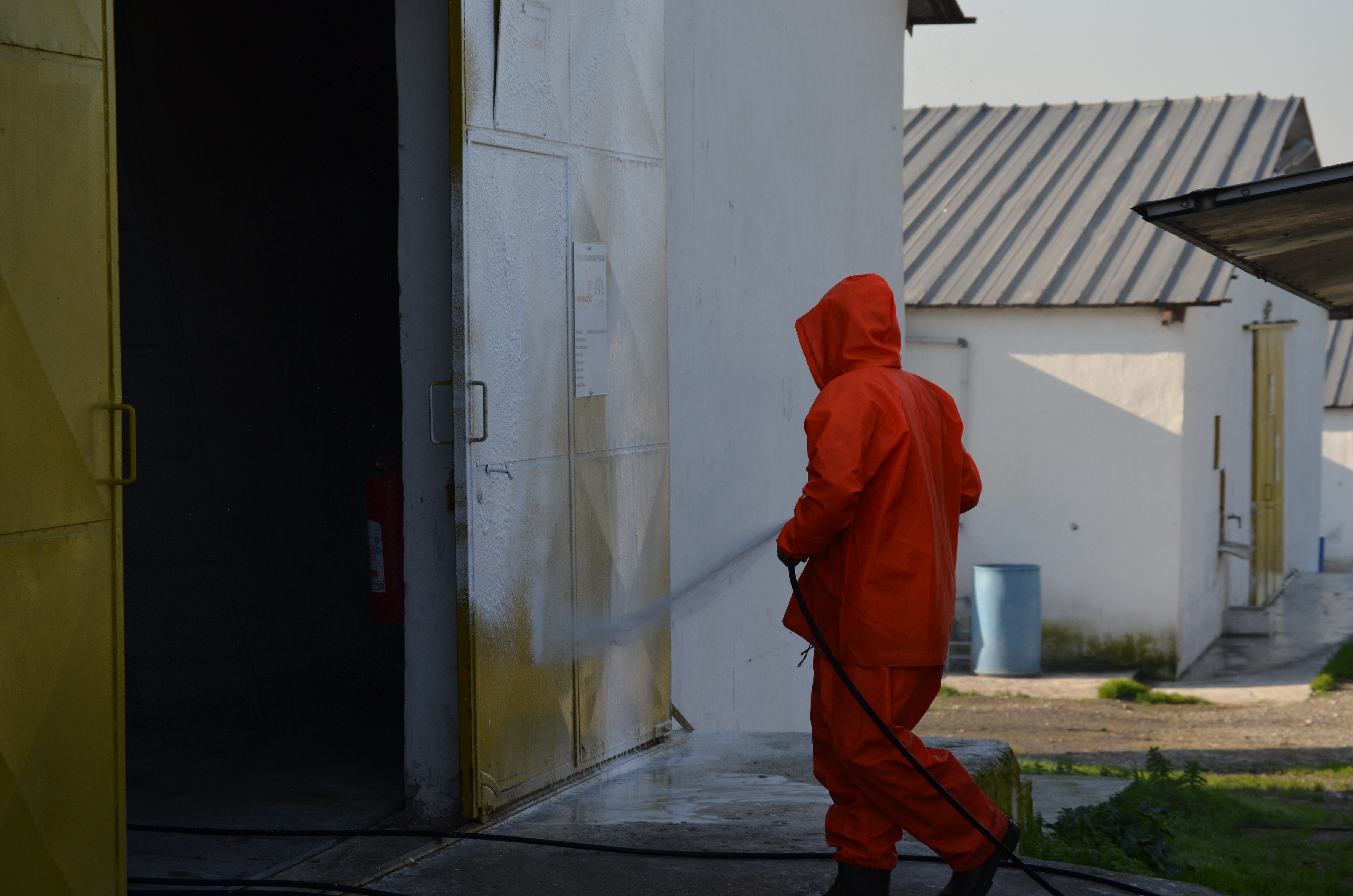
Outdoor storage is a practical solution for boats, trailers, RVs, and equipment in Malakoff, TX. But East Texas weather brings two consistent threats: humidity and storms. Mildew doesn’t show up overnight — it develops slowly. Storm damage doesn’t always come from major events — often it’s from small oversights like loose covers or poor drainage. The good news: most outdoor storage damage is preventable with the right habits. This guide explains how to protect your equipment from mildew growth and storm-related damage while using outdoor storage.
Why Outdoor Storage Requires Planning in Malakoff
Malakoff’s climate includes:
- High humidity for much of the year
- Sudden thunderstorms
- Heavy rainfall during certain seasons
- Long warm periods that accelerate mildew growth
If equipment is stored outdoors without preparation, moisture settles into fabrics, metal begins to corrode, and covers can fail during wind events. The goal isn’t to eliminate exposure — it’s to manage it.
Understanding the Two Biggest Risks
1. Mildew and Moisture
Mildew thrives in:
- Warm temperatures
- Damp materials
- Limited airflow
It often forms under covers, inside compartments, or on fabric surfaces like boat seats and straps.
2. Storm and Wind Damage
Strong winds can:
- Lift loose covers
- Turn tarps into sails
- Blow debris into exposed equipment
- Shift trailers slightly on soft ground
Storm damage is often caused by unsecured materials — not direct impact.
Step 1: Clean Before Storing
Never store lake or outdoor equipment dirty. Before parking:
- Wash off mud and lake residue
- Remove algae buildup
- Rinse salt or organic debris
- Dry thoroughly
Open compartments and allow airflow before covering. Storing equipment damp is the fastest way to develop mildew.
Step 2: Inspect for Vulnerable Areas
- Weather seals
- Rust spots
- Loose bolts
- Cracked plastic components
- Worn straps or tie-down points
Small problems worsen quickly in humid conditions. Fixing minor issues early prevents major repair bills later.
Step 3: Use the Right Cover — and Use It Correctly
Covers protect equipment, but only if chosen and secured properly.
Choose breathable covers
Look for:
- UV-resistant material
- Proper sizing
- Reinforced tie-down points
Avoid:
- Plastic tarps
- Oversized covers
- Covers that touch the ground
Plastic traps moisture underneath. That trapped humidity creates mildew.
Secure properly
- Anchor covers at multiple points
- Tighten straps before storms
- Avoid relying only on bungee cords
Loose covers cause wind damage.
Step 4: Pay Attention to the Ground Surface
Ground moisture rises upward. Parking directly on grass or soil increases exposure to:
- Standing water
- Moisture wicking into tires
- Rust forming on lower components
Better options include:
- Gravel surfaces
- Concrete pads
- Slightly elevated ground
Using leveling blocks under stabilizers and tires reduces direct ground contact.
Step 5: Improve Ventilation Inside Stored Equipment
Airflow matters — especially in humid areas. To reduce mildew:
- Slightly vent compartments when safe
- Use moisture absorbers inside enclosed spaces
- Avoid sealing items completely airtight
If storing life jackets or fabric cushions, ensure they are fully dry and loosely positioned for airflow.
Step 6: Protect Electrical and Mechanical Components
Moisture doesn’t only affect fabric. It impacts wiring and metal components. Before long-term storage:
- Cover exposed connectors
- Apply protective grease to plugs
- Keep wiring elevated off the ground
- Disconnect batteries when appropriate
Small electrical corrosion can cause costly repairs later.
Step 7: Prepare for Storm Season
Storm preparation shouldn’t wait for a warning. Before severe weather:
- Tighten all straps
- Remove loose accessories
- Secure lightweight items separately
- Check drainage around the parking area
After storms:
- Inspect for pooled water
- Look for shifted covers
- Check for small tears
Early inspection prevents hidden damage from spreading.
The Value of Covered Outdoor Storage
Covered outdoor storage reduces:
- Direct sun exposure
- Rain contact
- UV damage
- Fabric fading
While it doesn’t eliminate humidity, it adds an extra layer of protection from weather swings. Choosing a secure, well-maintained facility matters as well. Organized parking areas with proper drainage reduce standing water risks.
Common Mistakes That Lead to Damage
Avoid these frequent problems:
- Parking long-term on grass
- Skipping cleaning before storage
- Storing damp fabric gear
- Using plastic tarps
- Ignoring small rust spots
- Failing to check equipment monthly
Most mildew damage happens because of trapped moisture and neglect — not extreme events.
Create a Simple Maintenance Routine
Outdoor storage isn’t “set it and forget it.” Monthly or bi-monthly checks should include:
- Visual inspection for mildew
- Checking strap tension
- Looking for standing water
- Wiping off condensation
- Reapplying protective spray if needed
A 10-minute check prevents expensive repairs.
Why Storage Location Matters
Outdoor storage works best in organized, secure facilities. Look for:
- Proper drainage
- Clean parking surfaces
- Secure access
- Adequate spacing between vehicles
Facilities like Athens Secure Storage & Parking, located near Malakoff, provide structured outdoor parking that reduces many common moisture and storm risks compared to home driveway storage. The environment plays a role in long-term protection.
Final Takeaway: Prevention Is Cheaper Than Repair
In Malakoff’s humid climate, mildew spreads quickly and storm damage happens fast when covers aren’t secured. But with proper preparation:
- Clean and dry before storage
- Use breathable covers
- Secure against wind
- Elevate from wet ground
- Inspect regularly
Outdoor storage can safely protect boats, trailers, and equipment year-round. The difference between damage and durability usually comes down to preparation — not luck.
Spring Cleaning in Athens TX: How to Declutter and Reclaim Your Home
Categories