
Murchison Drive-Up Storage: Avoiding Lifting Injuries With Better Setup
Murchison Drive-Up Storage: Avoiding Lifting Injuries With Better Setup
Habib Ahsan
February 26th, 2026
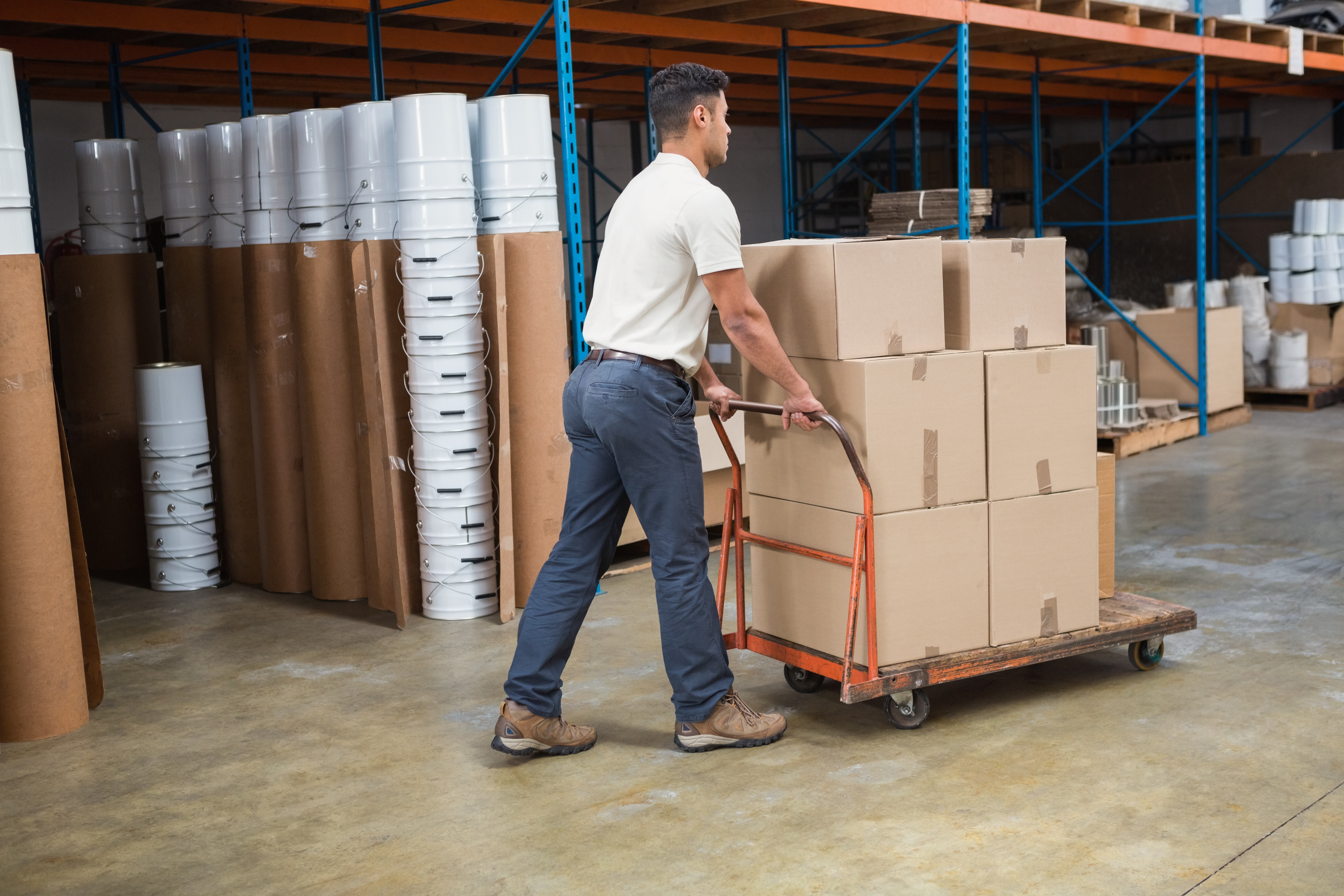
Using drive-up storage in Murchison, TX makes loading and unloading easier, but injuries still happen when storage units are poorly organized. Most lifting injuries don’t come from extremely heavy items — they come from awkward positions, repeated bending, and rushed movements. A well-planned storage setup reduces strain on your back, shoulders, and knees while making every visit faster and safer. With the right layout and simple tools, drive-up storage can be one of the safest ways to store heavy items. This guide explains how to organize a drive-up unit to reduce lifting injuries and make storage easier to use long term.
Why Lifting Injuries Happen During Storage Moves
Storage-related injuries usually happen because of small mistakes repeated over time. Common causes include:
- Lifting heavy boxes from ground level
- Twisting while carrying items
- Reaching over unstable stacks
- Carrying items long distances
- Trying to move oversized items alone
Weekend storage trips increase risk because people often:
- Rush to finish before dark
- Work without help
- Lift repeatedly without breaks
- Try to move too much in one trip
Better setup reduces these risks immediately.
Why Drive-Up Storage Reduces Physical Strain
- Pulling directly up to the unit door
- Minimal carrying distance
- No stairs or elevators
- Wide door openings
- Flat surfaces for carts and dollies
Facilities like Athens Secure Storage & Parking, located near Murchison, provide drive-up units designed for easy loading and unloading. Direct access is one of the biggest advantages for injury prevention.
Plan Your Storage Setup Before Moving Items
Good storage safety starts before the first box goes inside.
Choose the Right Unit Size
Units that are too small force unsafe stacking. Safe storage units should allow:
- A clear walkway from the door to the back wall
- Room to turn while carrying items
- Access to stored belongings without climbing
A 2–3 foot walkway prevents reaching and twisting injuries. Overcrowded units increase lifting risks.
Park in the Safest Position
Vehicle positioning matters more than most people realize. Best practices:
- Back straight up to the unit door
- Keep the tailgate aligned with the entrance
- Leave stepping room on both sides
This reduces awkward lifting angles. Pickup trucks work especially well when tailgate height matches the storage floor.
Reduce Lifting Height Differences
Lifting from the ground places the most strain on your body.
Keep Items Off the Floor
Use:
- Pallets
- Low platforms
- Shelving units
Even 4–6 inches of elevation reduces bending.
Use Temporary Staging Areas
Helpful options include:
- Pickup tailgates
- Folding tables
- Rolling carts
Moving items in stages is safer than lifting directly from the ground.
Use a Layout That Prevents Injuries
Organization affects safety as much as lifting technique.
Keep Heavy Items Near the Door
Store within the first few feet:
- Large bins
- Equipment
- Appliances
- Heavy boxes
Shorter carrying distances reduce strain.
Store by Weight Level
Safe stacking includes: Lower levels
- Heavy boxes
- Tool containers
- Dense items
Waist height
- Medium-weight boxes
- Frequently accessed items
Upper levels
- Lightweight items only
Waist-height storage is the safest lifting position.
Create Safe Walkways
Clear paths prevent accidents. Maintain:
- Straight access to the back wall
- Enough room for turning
- No loose items on the floor
Blocked walkways force awkward movements. Re-check pathways regularly as storage changes.
Use the Right Moving Equipment
Simple tools reduce strain dramatically.
Helpful Equipment
Recommended tools include:
- Two-wheel dollies for appliances
- Four-wheel carts for stacked boxes
- Furniture sliders for heavy items
- Moving straps for bulky loads
Moving equipment reduces lifting by transferring weight to wheels.
Wear Basic Protective Gear
Proper gear improves grip and stability. Useful items include:
- Work gloves for better grip
- Closed-toe shoes with traction
- Comfortable clothing that allows movement
Better grip reduces sudden strain injuries.
Use Safe Lifting Techniques
Even with a good layout, technique matters.
Proper Lifting Basics
Follow these rules:
- Keep items close to your body
- Bend knees instead of your back
- Lift smoothly without jerking
- Avoid twisting while carrying
Turn your feet instead of your torso.
Team Lifting Works Best
For large items:
- Communicate before lifting
- Lift at the same time
- Move slowly and evenly
- Set items down together
Two people lifting safely is better than one person struggling.
Handling Awkward or Oversized Items
Large items often cause injuries.
Furniture
Before moving:
- Remove drawers
- Wrap surfaces for grip
- Use straps when possible
Lighter pieces are easier to control.
Long Items
Items like ladders and boards should be:
- Carried by two people
- Stored horizontally
- Balanced evenly
Avoid carrying long items vertically in tight spaces.
Prevent Repeated-Strain Injuries
Small repeated movements cause long-term strain. Reduce repetition by:
- Rotating lifting tasks
- Taking short breaks
- Switching carrying sides
Even short pauses help prevent fatigue injuries.
Plan Fewer Trips
Efficient loading reduces total lifting. Helpful strategies include:
- Group similar items together
- Use stackable containers
- Load vehicles in organized layers
Fewer trips mean fewer lifting cycles.
Seasonal Safety Considerations
Weather affects lifting safety.
Hot Weather Risks
Heat increases injury risk through:
- Fatigue
- Dehydration
- Reduced grip from sweat
Bring water and pace yourself.
Wet or Cold Conditions
Wet conditions increase risk of:
- Slipping
- Poor footing
- Reduced flexibility
Dry surfaces before moving heavy items.
Common Mistakes That Lead to Injury
Avoid these common problems:
- Overpacking boxes
- Storing heavy items high
- Blocking walkways
- Lifting alone unnecessarily
- Carrying items long distances
Most injuries happen because of setup problems, not weight alone.
Why Facility Layout Matters
Storage facility design affects safety. Look for:
- Wide drive lanes
- Level parking areas
- Smooth concrete floors
- Good lighting
Facilities like Athens Secure Storage & Parking provide drive-up access that supports safe unloading and loading. Good layout makes safe lifting easier.
Maintain a Safe Storage Setup
Safe storage is ongoing. Review your setup regularly:
- Adjust layouts as items change
- Keep pathways clear
- Remove unused items
- Rebalance heavy stacks
Small adjustments prevent long-term problems.
Final Takeaway: A Better Setup Prevents Injuries
Most storage-related injuries are preventable. Safe drive-up storage includes:
- Proper layout
- Elevated storage
- Clear pathways
- Correct lifting methods
- Simple moving equipment
With a smart setup, a drive-up unit at Athens Secure Storage & Parking becomes easier to use, safer for your body, and more efficient every time you visit.
Spring Cleaning in Athens TX: How to Declutter and Reclaim Your Home
Categories