
Athens Climate Storage: When Value Outweighs Cost
Athens Climate Storage: When Value Outweighs Cost
Habib Ahsan
February 20th, 2026
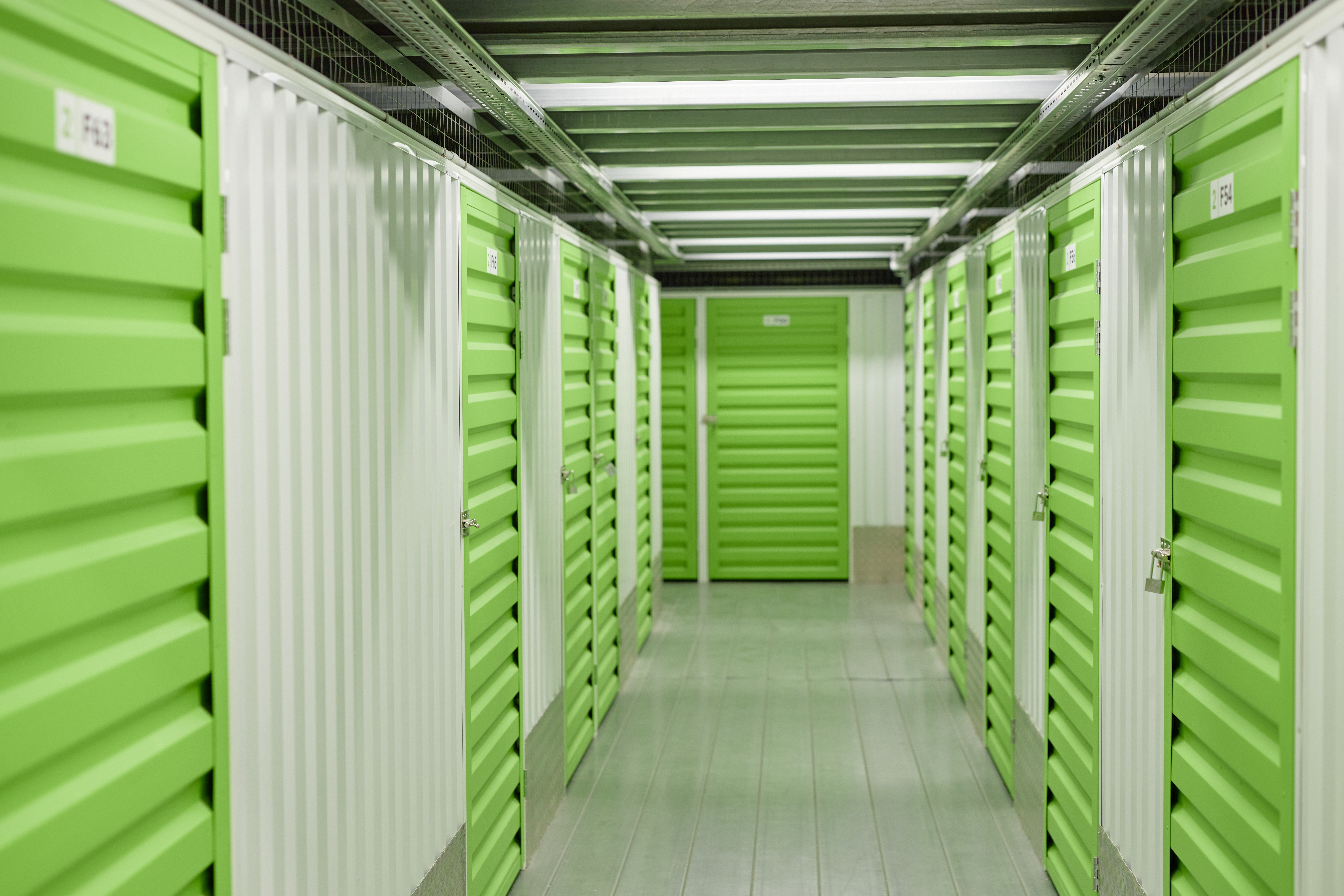
When choosing a storage unit in Athens, TX, many people ask the same question:
“Is climate-controlled storage really worth the extra cost?” The answer depends on what you’re storing — and how long you plan to store it. In East Texas, heat and humidity aren’t occasional problems. They’re constant factors. Over time, small temperature swings and moisture changes can damage items in ways that aren’t immediately visible. Climate storage isn’t about comfort. It’s about protecting value.
Why Cost vs. Value Matters in Athens
Standard storage protects belongings from rain and theft. Climate storage goes further by reducing environmental stress. The real comparison isn’t just the monthly price difference. It’s:
- The cost to replace damaged items
- The cost of repairs
- The loss of sentimental value
- The impact on resale value
In many cases, the extra monthly cost of climate control is far lower than replacing even one damaged item.
What Climate-Controlled Storage Actually Does
Climate storage works by maintaining stable indoor conditions.
Temperature stability
- Reduces expansion and contraction of materials
- Prevents cracking in wood and leather
- Protects adhesives in furniture and décor
Humidity control
- Slows mold and mildew growth
- Protects paper from curling and yellowing
- Reduces rust on metal components
Cleaner environment
- Less dust exposure
- Reduced pest intrusion
- Better long-term preservation conditions
At Athens Secure Storage & Parking, climate-controlled units are designed specifically for protecting items sensitive to environmental change.
Athens-Specific Environmental Risks
Athens weather includes:
- Long, hot summers
- Persistent humidity
- Seasonal temperature swings
- Condensation during cooler nights
Even inside a sealed unit, moisture in the air can affect belongings. Damage in non-climate units often includes:
- Warped wood furniture
- Musty odors in fabrics
- Corrosion on electronics
- Faded photographs
- Cracked leather
Most of this damage develops gradually and isn’t noticeable until it’s permanent.
When Climate Storage Clearly Outweighs the Cost
Some items almost always justify climate protection.
High replacement value items
- Solid wood furniture
- Leather seating
- Electronics and appliances
- Antiques and collectibles
Replacing just one dining table or sectional sofa can cost more than years of climate storage.
Sentimental or irreplaceable belongings
- Family photos
- Heirlooms
- Handwritten letters
- Personal keepsakes
These items can’t be replaced at any price.
Business inventory
- Retail merchandise
- Paper files
- Electronics used for operations
For businesses, damaged inventory affects revenue and reputation.
Comparing Costs: A Practical View
Consider real-world scenarios.
- Replacing a warped wood table: $1,000–$3,000
- Replacing mold-damaged clothing: several hundred dollars
- Repairing corroded electronics: unpredictable and often expensive
Compare that to the monthly difference between standard and climate storage. In many cases, prevention costs less than one repair.
Items That May Not Need Climate Storage
Climate storage isn’t required for everything. Durable items often tolerate standard storage:
- Metal shelving
- Basic hand tools
- Outdoor furniture
- Lawn equipment
Short-term storage — a few weeks — may not justify climate control if items are well-packed and durable. The key is evaluating risk based on item sensitivity and storage length.
Preparing Items to Maximize Climate Storage Value
Even in climate storage, preparation matters.
Clean and dry first
- Remove dirt and moisture
- Let fabrics dry fully
- Wipe down surfaces
Pack correctly
- Use breathable covers
- Avoid sealing paper in plastic bags
- Leave small gaps between boxes
- Elevate items off the floor
Good packing ensures climate control works effectively.
Mistakes That Reduce Climate Storage Value
Even climate-controlled units can’t prevent damage if items are mishandled. Avoid:
- Storing damp items
- Overpacking without airflow
- Mixing chemicals or fuel near sensitive belongings
- Ignoring inspections during long-term storage
Climate control works best when combined with smart storage habits.
Long-Term Storage Changes the Decision
If items will be stored for:
- More than six months
- Multiple seasons
- Several years
The value of climate control increases significantly. Over time, small environmental changes compound. Items that look fine after one season may show damage after three. Climate storage becomes more valuable the longer belongings are stored.
Questions to Ask Before Choosing
To determine if climate storage is worth it, ask:
- What would it cost to replace this item?
- Is it irreplaceable?
- How sensitive is it to moisture or heat?
- How long will it be stored?
If the replacement cost exceeds the difference in storage price, climate storage usually makes sense.
Why Facility Quality Matters
Not all climate storage is equal. Look for:
- Consistent temperature management
- Clean, well-maintained units
- Secure access
- Professional oversight
Athens Secure Storage & Parking offers climate-controlled units designed to provide stable storage conditions year-round for sensitive belongings. The right environment supports long-term protection.
Final Takeaway: Climate Storage Is Risk Management
Choosing climate-controlled storage isn’t about upgrading — it’s about protecting value. In Athens, environmental conditions can quietly damage belongings over time. For sensitive, high-value, or sentimental items, the cost of climate storage is often far lower than the cost of replacement.
Spring Cleaning in Athens TX: How to Declutter and Reclaim Your Home
Categories