
Athens Climate Storage: Stable Conditions for Sensitive Belongings
Athens Climate Storage: Stable Conditions for Sensitive Belongings
Habib Ahsan
February 17th, 2026
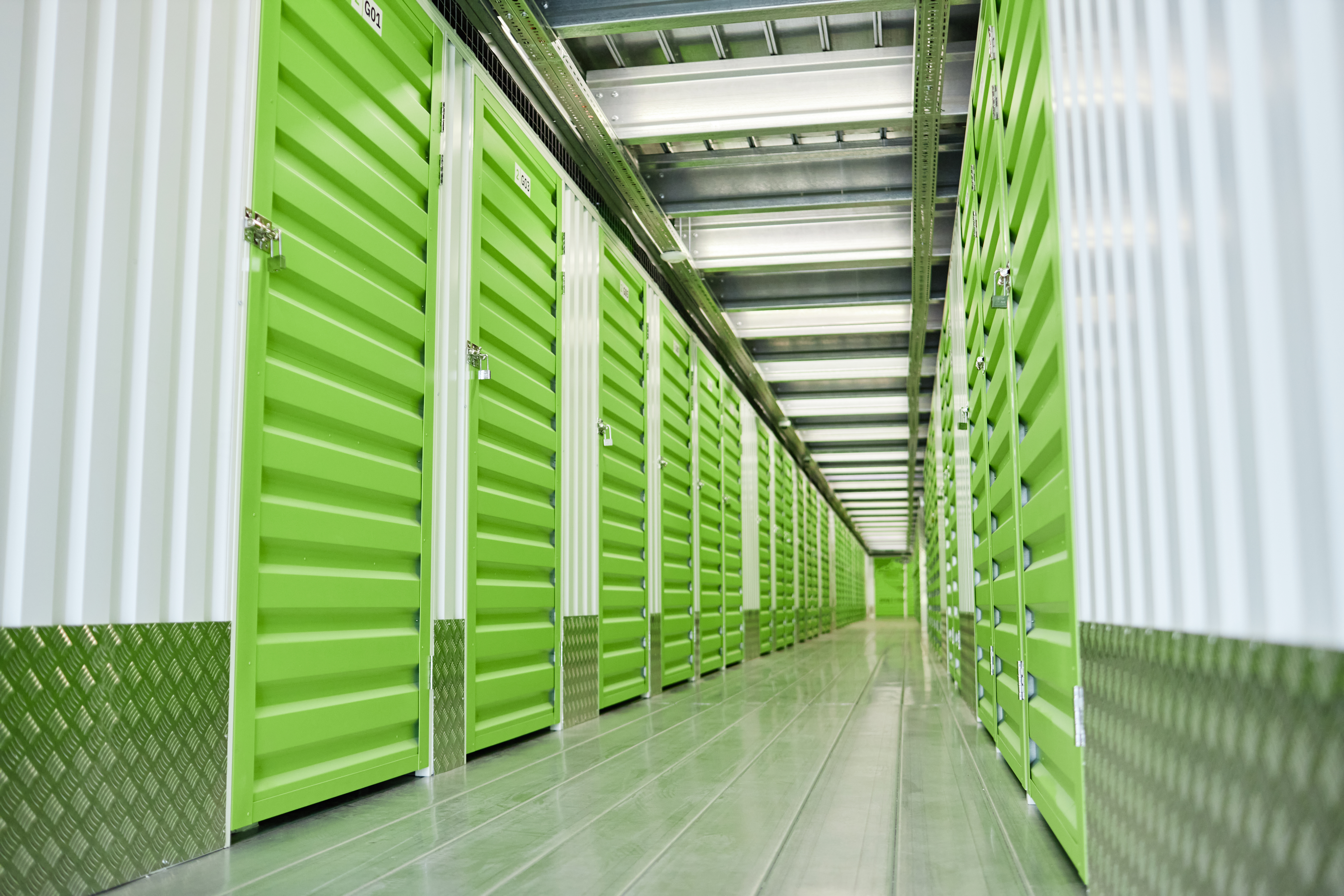
Not everything belongs in a standard storage unit. In Athens, TX, heat and humidity can slowly damage items that are sensitive to environmental changes — even when they’re packed carefully. The biggest problem isn’t extreme weather events. It’s the daily temperature and moisture fluctuations that happen throughout the year. Climate-controlled storage provides stable conditions that help protect belongings from long-term damage. When paired with smart packing habits, it keeps furniture, documents, electronics, and sentimental items in the same condition they were stored. This guide explains why stable storage conditions matter and how to use climate storage effectively.
Why Stable Storage Conditions Matter in Athens
East Texas weather changes constantly. A typical day can include:
- Warm, humid afternoons
- Cooler evenings
- Moisture lingering in the air
- Condensation forming overnight
These small shifts cause materials to expand, contract, and absorb moisture over time. That leads to:
- Warped wood
- Mold growth
- Rust on metal components
- Fading paper and photographs
- Cracked leather and adhesives
Damage usually happens slowly and isn’t noticeable until it’s permanent.
What Counts as Sensitive Belongings
Sensitive belongings are items that react to temperature or humidity changes.
Temperature-sensitive items
- Wood furniture
- Antiques
- Musical instruments
- Electronics
Humidity-sensitive items
- Paper documents
- Photo albums
- Books
- Clothing and linens
- Leather goods
Mixed-material items
- Upholstered furniture
- Framed artwork
- Decorative pieces with glue or backing materials
These items benefit most from stable storage conditions.
Why Standard Storage Units Can Be Risky
Standard storage units protect items from rain and theft, but they don’t regulate the environment inside. Common risks include:
- Temperature swings during the day
- Moisture in the air entering the unit
- Condensation forming inside boxes
- Heat buildup during summer
Plastic bins alone don’t solve this problem. Moisture can still form inside sealed containers when air temperature changes. For long-term storage, stable conditions matter more than container type.
What Climate-Controlled Storage Regulates
- Maintain steady temperatures
- Reduce humidity fluctuations
- Prevent condensation buildup
- Protect finishes, fabrics, and paper
Climate-controlled environments also tend to be cleaner and less dusty, which helps preserve stored items. At Athens Secure Storage & Parking, climate-controlled units are designed to protect belongings that can’t tolerate environmental changes.
Athens-Specific Climate Challenges
Athens storage conditions are influenced by:
- Long, humid summers
- Sudden temperature drops overnight
- Moist winter air
- Seasonal moisture changes
Even when items are stored indoors, humidity can still cause problems if the environment isn’t stable. That’s why climate storage is especially useful in this region.
Items That Benefit Most From Climate Storage
Certain belongings are worth the extra protection.
Furniture and décor
- Wood tables and cabinets
- Leather seating
- Antiques and collectibles
Paper and archival items
- Legal documents
- Photo albums
- Books and records
Electronics and media
- Computers and TVs
- Speakers and media equipment
- Vinyl records
Specialty belongings
- Artwork
- Musical instruments
- Hobby collections
If an item is difficult to replace or has sentimental value, climate storage is usually the safest choice.
Preparing Sensitive Items Before Storage
Climate storage works best when items are prepared correctly.
Clean and dry everything
- Remove dust and dirt
- Make sure fabrics are fully dry
- Avoid storing damp items
Inspect items first
Look for:
- Existing mold
- Moisture damage
- Loose components
Fixing problems before storage prevents them from spreading.
Sort items by use
Separate:
- Frequently accessed items
- Long-term storage items
- Sentimental belongings
This reduces handling later.
Choosing the Right Storage Containers
Containers should protect items without trapping moisture.
Good options
- Acid-free document boxes
- Fabric furniture covers
- Plastic bins with small airflow gaps
Avoid
- Plastic bags
- Non-archival cardboard
- Vacuum-sealed containers for paper items
Moisture control matters more than airtight sealing.
Packing Techniques That Maintain Stability
Packing affects airflow and protection. Best practices:
- Store documents flat
- Avoid stacking heavy items on fragile boxes
- Leave small gaps between containers
- Distribute weight evenly
Overpacking a unit reduces airflow and can trap moisture.
Unit Layout for Maximum Protection
Where items sit inside a unit matters.
Recommended layout
- Use shelving to elevate boxes
- Keep items away from exterior walls
- Group sensitive items together
- Maintain a walkway
This helps air circulate and prevents shifting stacks.
Access Habits That Protect Stored Items
Handling can cause damage if done frequently. When accessing storage:
- Open containers indoors when possible
- Handle documents and photos carefully
- Repack items securely
- Maintain spacing after removing items
Less handling means less wear.
Long-Term Storage Best Practices
For items stored long term:
- Inspect belongings every 6–12 months
- Replace moisture absorbers if used
- Adjust layout if boxes shift
Digitizing documents and photos also provides backup protection. Sometimes upsizing a unit improves airflow and reduces stacking pressure.
When Climate Storage Is Worth It
Climate storage makes sense when:
- Items have sentimental value
- Replacement cost is high
- Storage will last more than a few months
- Materials are sensitive to humidity
The cost of protection is usually much lower than the cost of replacing damaged belongings.
Common Mistakes to Avoid
Even in climate storage, mistakes can cause problems:
- Storing damp items
- Overpacking boxes
- Sealing containers too tightly
- Mixing tools with sensitive items
- Ignoring airflow
Good habits matter just as much as the storage environment.
Why Facility Choice Matters
A clean, reliable storage facility supports proper storage practices. Athens Secure Storage & Parking offers:
- Climate-controlled storage units
- Secure access
- Clean storage environments
- Flexible storage options
This makes it easier to protect sensitive belongings year-round.
Final Takeaway: Stability Protects What Matters
Climate-controlled storage protects belongings by reducing the environmental changes that cause damage over time. When combined with proper packing and organization, it helps preserve:
- Furniture
- Documents
- Electronics
- Sentimental items
For Athens residents, stable storage conditions mean peace of mind — knowing important belongings will stay protected for years to come.
Spring Cleaning in Athens TX: How to Declutter and Reclaim Your Home
Categories